
Visuals are an integral part of thematic presentation in Zach Cregger’s WEAPONS. Cregger admitted in a behind the scenes interview in an iTunes extra for the recent digital release that he had all of WEAPONS visually planned out in his head when writing the screenplay and prior to even shooting a frame of film. And it was just a matter of him being able to write it and then replicate that imagery during the shoot.
WEAPONS begins with the unsettling disappearance of seventeen children from a single third-grade class in the small Pennsylvania town of Maybrook, all of whom inexplicably run from their homes at 2:17 a.m. on the same night. The subsequent investigation follows a sprawling, multi-perspective narrative structure, centered around key townspeople like the class’s teacher, Justine Gandy, a grieving father, Archer Graff, and a policeman Paul, as they grapple with an undeniable growing sense of supernatural dread.
And there is an obsessiveness to the imagery in WEAPONS and an argument to be made that Zach Cregger’s WEAPONS operates on the same level of attention to detail that a film like Stanley Kubrick’s THE SHINING does. The images in the film act as a way to clue viewers in on some of the deeper themes not really discussed prima faciely in either plot or dialogue, but which are definitely present on a deeper thematic reading of the film. While there is so much that you can see and analyze within the images of WEAPONS, I’ve focused the discussion in this essay towards three major themes that rely on imagery to get their points across.
THE TOXICITY OF WILLFULL IGNORANCE: THE THREE WISE (OR NOT SO WISE) MONKEYS
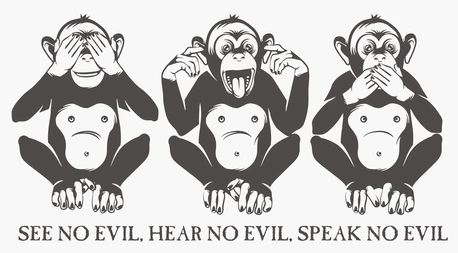
I’d argue that willful blindness and moreover the degree that we go to ignore things to create a sense of normalcy is the biggest theme of WEAPONS. There is so much resentment between the characters of the film, but that resentment rarely boils over to the surface. Why? Instead this harbored resentment and the energy associated with preserving it, is focused on perpetuating a sense of a sense of stasis or normalcy (something discussed further in the third part of this essay). The characters of WEAPONS are closing their eyes to the truth to avoid mostly having to admit to flawed part of themselves. Multiple characters throughout the film avoid, ignore, and turn away from indicators of evil to preserve an already failing sense of normalcy in the town of Maybrook – which is not the peaceful, suburban place that it wants to be, but rather a place filled with a lingering evil. That lingering evil is allowed to root and manifest because of Aunt Gladys, but the truth of the matter is, the truth that Zach Cregger shows us, it that it was always there.
To create normalcy in such a rotting world, one has to be willfully blind to the evils and transgressions that are going on around them. That willful blindness is on full display in the film through the actions of the characters, but it is also on display through a series of visual cues that Cregger plants throughout their key scenes. The proverb “See no evil, hear no evil, speak no evil,” often linked to the “three wise monkeys”. In Eastern traditions, it positively advocates for avoiding negative thoughts and actions to uphold one’s moral integrity. Conversely, Western culture frequently interprets it negatively, signifying a deliberate disregard of wrongdoing to evade involvement or responsibility.
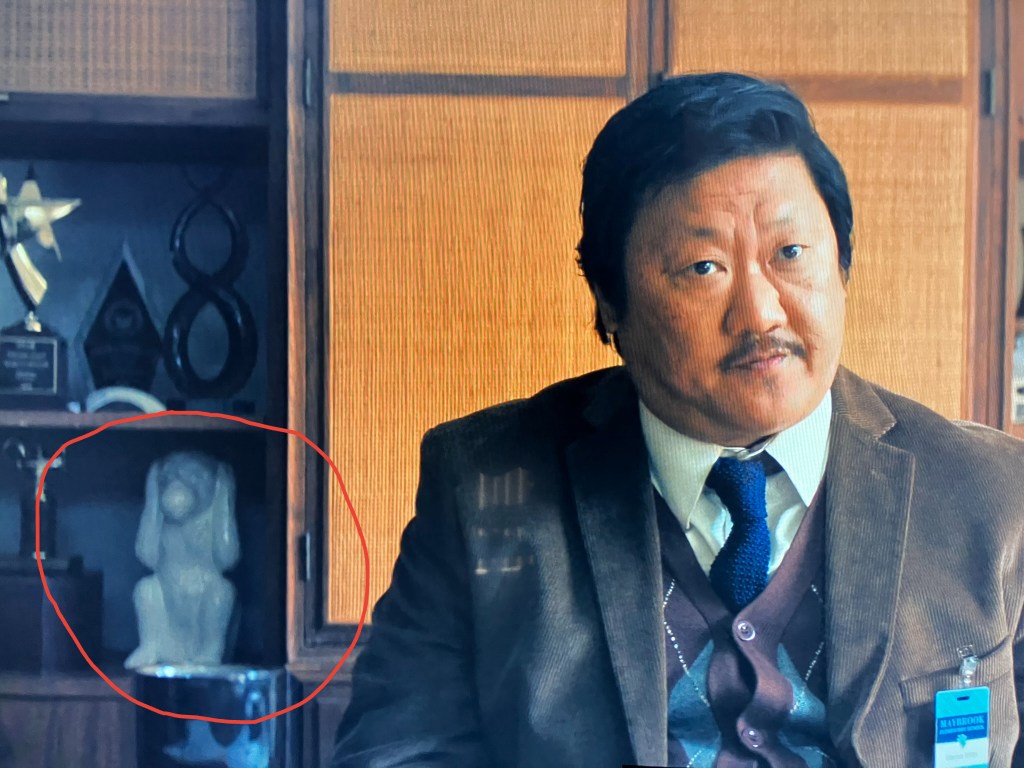
On my third viewing, I was locking into background details and noticed the “hear no evil” monkey positioned directly behind Principal Marcus Williams (Benedict Wong) when Justine Gandy (Julia Garner) argues that she would like to be reinstated as a teacher and to have contact with Alex Lily (Carey Christopher), the only child of the 18 students in her classroom who did not mysteriously run out of his house and disappear at 2:17AM nearly one month ago. She believes something is wrong with Alex Lily but Principal Marcus Williams cautions her to stay away – even though he knows that something probably is wrong. Later when Aunt Gladys (Amy Madigan) shows up to Principal Williams’ office, he has another opportunity to come to terms with the evil that has infected Maybrook and he does not. By the time Aunt Gladys visits him in his home, it is too late.
You can see a version of the “speak no evil” monkey here behind Captain Ed, Toby Huss, when he is speaking with Archer. Here Ed talks Archer down from believing that something is wrong or suspicious about Justine Gandy, the teacher of the disappeared class of students. Ed believes that Justine is totally trustworthy, and while she is essentially, it speaks to a greater malaise that Ed is not willing to really think outside the box, again, when dealing with the disappearing students. We later discover that the police actually interviewed Aunt Gladys and Alex Lily and even visited the Lily home with Aunt Gladys and Lily inside after the abduction and never felt like something was “wrong” and will now go to the mat to defend that opinion through their words and interaction with the general public.

Finally, the phrase “see no evil” is represented through the character of Justine Gandy. Gany wears glasses throughout her “chapter” of the film and only removes them – to never wear them again – during the final act of the film. For her chapter of the film she is focused on something being wrong with Alex, but the entire inquest feels more about proving her innocence than necessarily finding out the root cause of Alex’s apparent misery and where the missing children might be. It is still “about her”. It is no accident that the phrase that Paul’s wife Donna repeats when attacking Justine at the liquor store is “LOOK AT WHAT YOU DID!”.
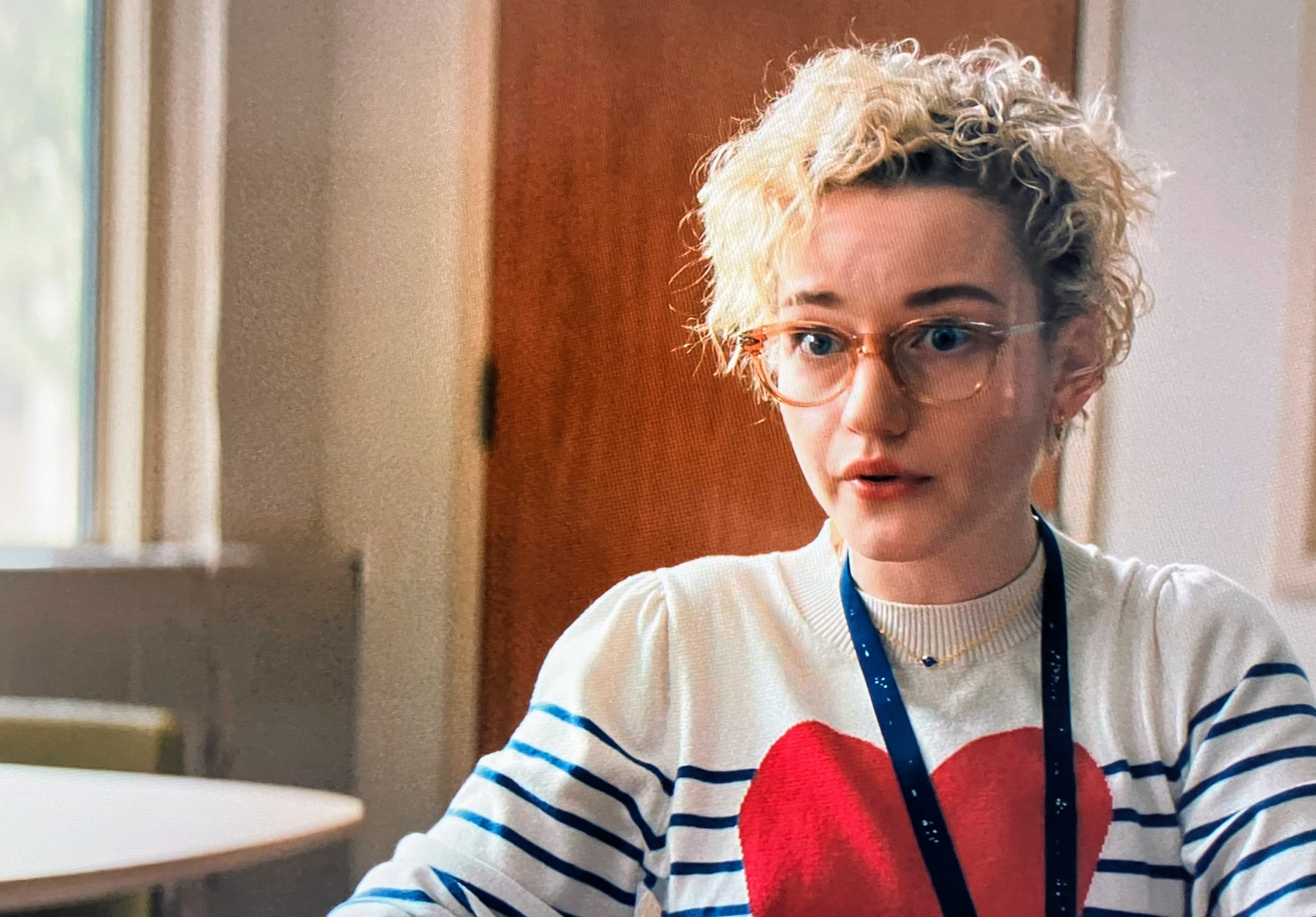

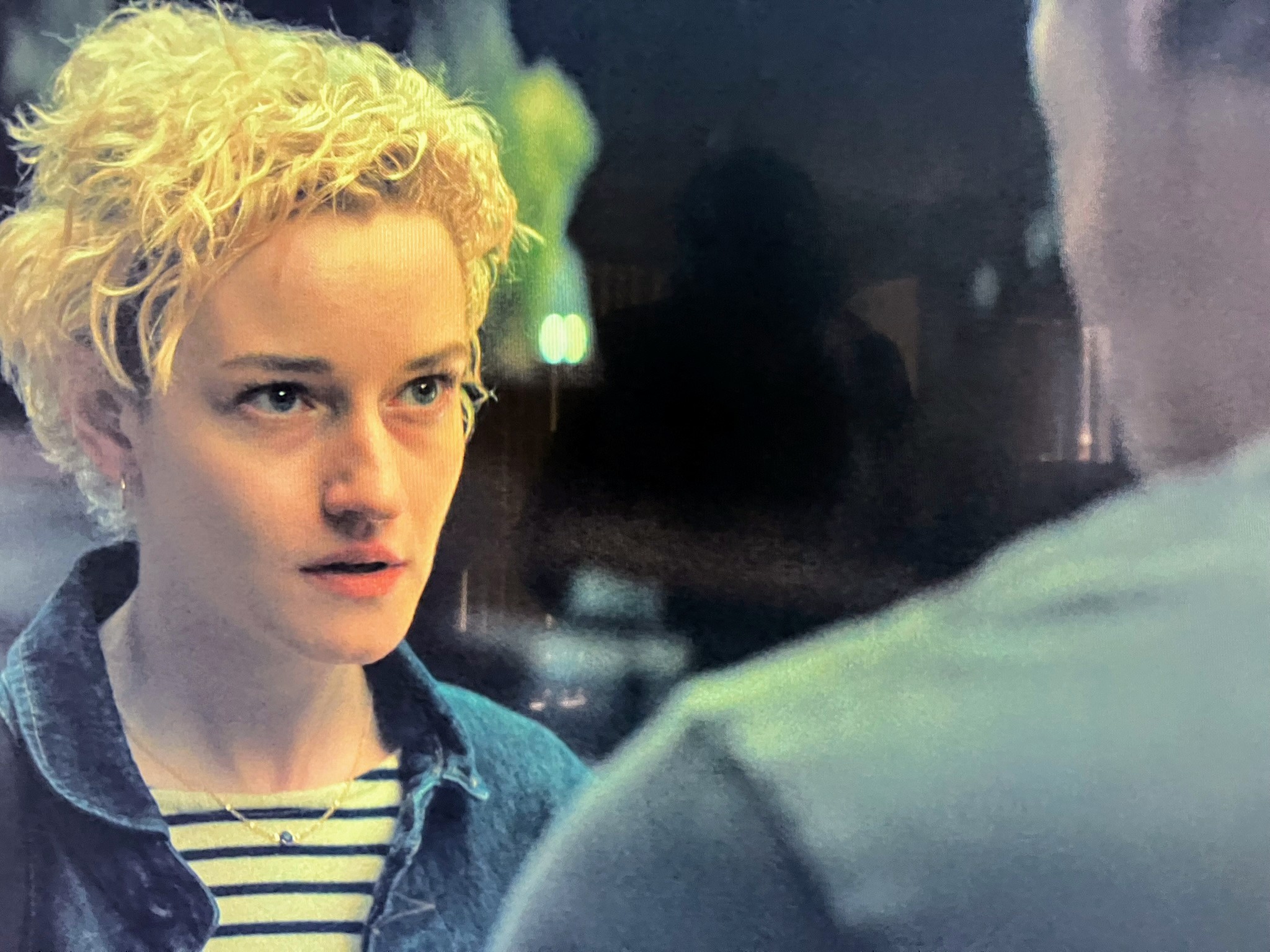
When the final act of the film arrives and she is attacked by Marcus, Justine is shown without her glasses and never dawns them again, once she collaborates with Archer and the two realize something is wrong with the Lily home that might be deeper and darker than they ever could have expected. It is only upon this realization, and this partnership with an accuser, with letting it not be about her, that Justine is able to truly see and ACT upon her suspicions.
One final note, it is in line with the “Hear No Evil/ Speak No Evil/ See No Evil” theme throughout the film that the only person who knows the truth about the missing children, besides Aunt Gladys and Alex, is James (Austin Abrahms) – a homeless vagrant drug addict. He is someone that is ignored by characters time and again. And he is never believed by authorities until it is too late – for both him and Paul (Alden Ehrenreich).
PREDATORS VS PREY VS PARASITES
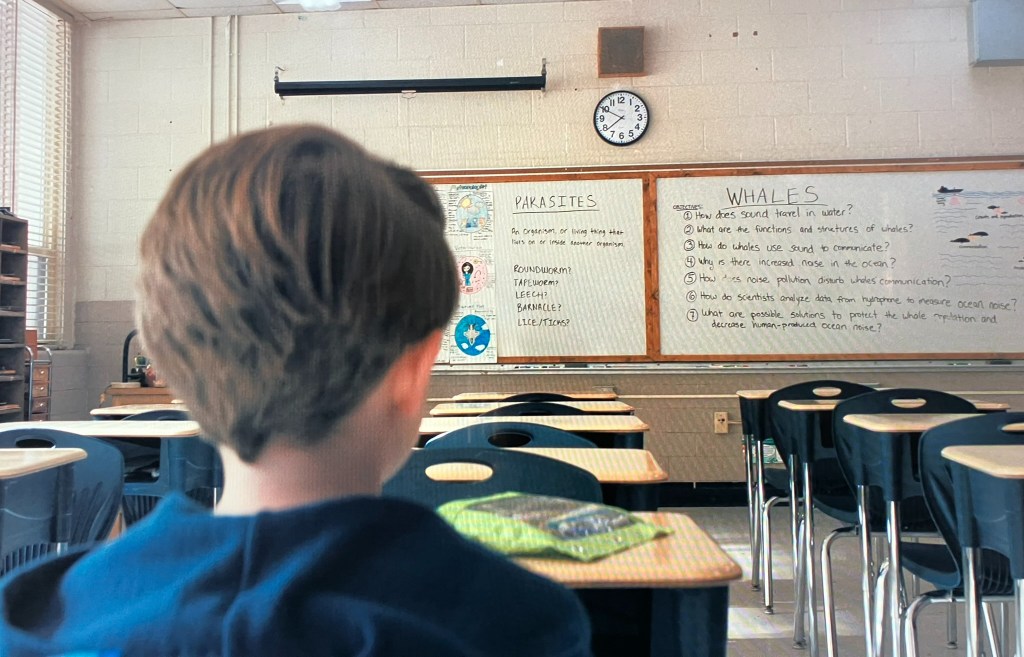
Throughout WEAPONS, Zach Cregger is also telling a story about three different types of animals in nature: predators, prey, and parasites. Both predators and parasites can kill prey and predators can also kill parasites. But parasites need prey as much or more than predators do. The parasite is illustrated most obviously with Aunt Gladys and her use of people and presumably their life force to power her own health and longevity. Whether it is Alex’s parents and later Alex’s classmates she needs them as parasites do. Alex, on the other hand, is a predator – he can lie in wait, hiding, waiting for the right moment to strike.

The parasite vs. prey vs. predator imagery runs throughout the film in the background and on the walls of Justine Gandy’s classroom and Alex Lily’s home. The first image that the predator vs prey vs parasite theme is seen is in Justine Gandy’s classroom. This is seen on a board featuring odontoceti and mysticeti whales. The former are toothed whales (including dolphins and porpoises) that hunt individual prey, while Mysticeti, the latter, are baleen whales (like blue and humpback whales) that filter feed on smaller organisms like krill. The two suborders differ in key ways: Odontocetes have a single blowhole and use echolocation, while Mysticetes have two blowholes and use baleen to strain water for food. This distinction is basically Alex vs Gladys. Alex is the Ondontocete, and the film becomes his transformation, as he realizes that to survive he will have to no longer ignore the present and confront and ultimately feast on Gladys and become a predator. Gladys is the Mysticete, still consuming and destroying – though more parasitically and slowly, allowing her feeding to continue.

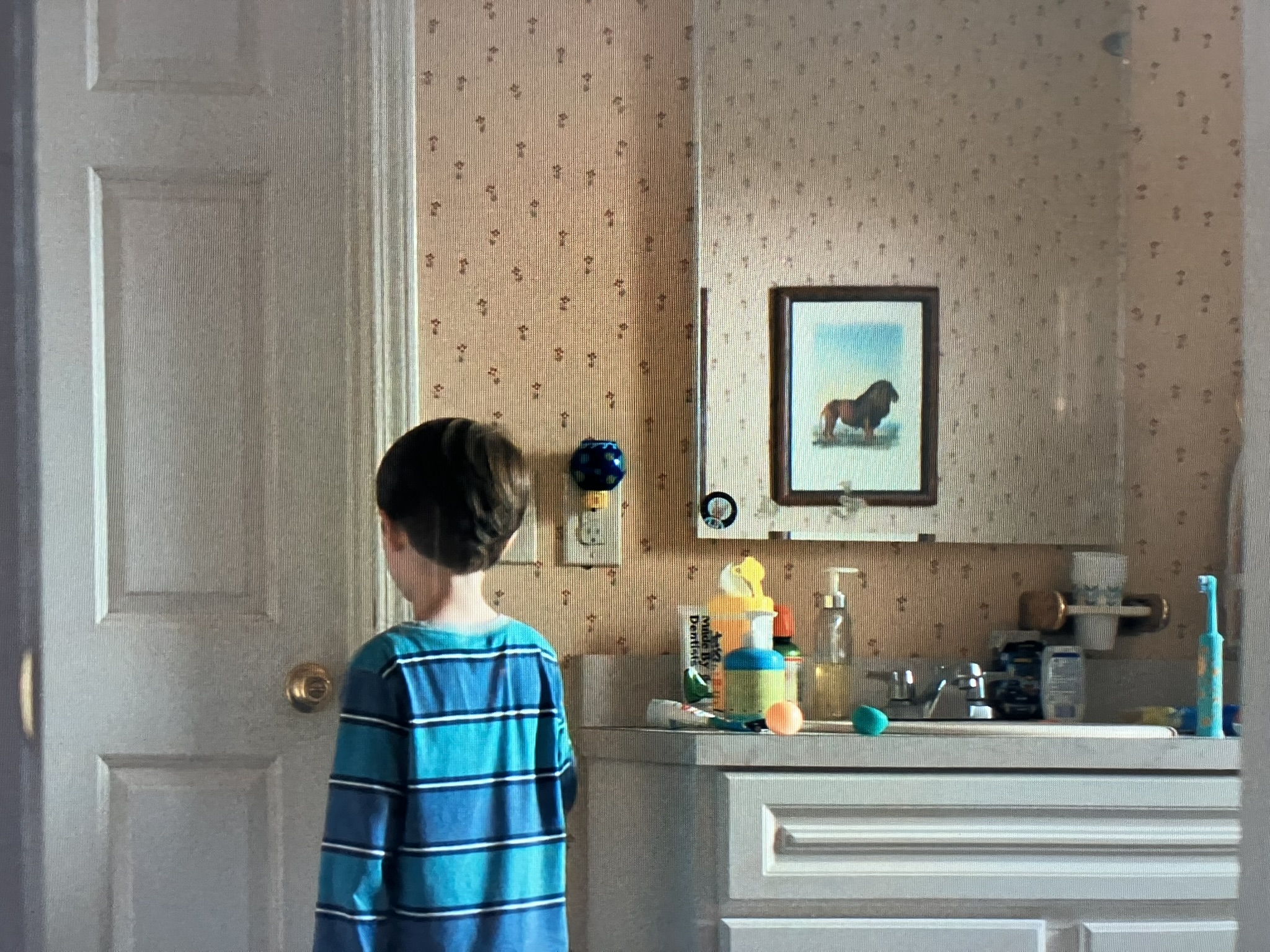
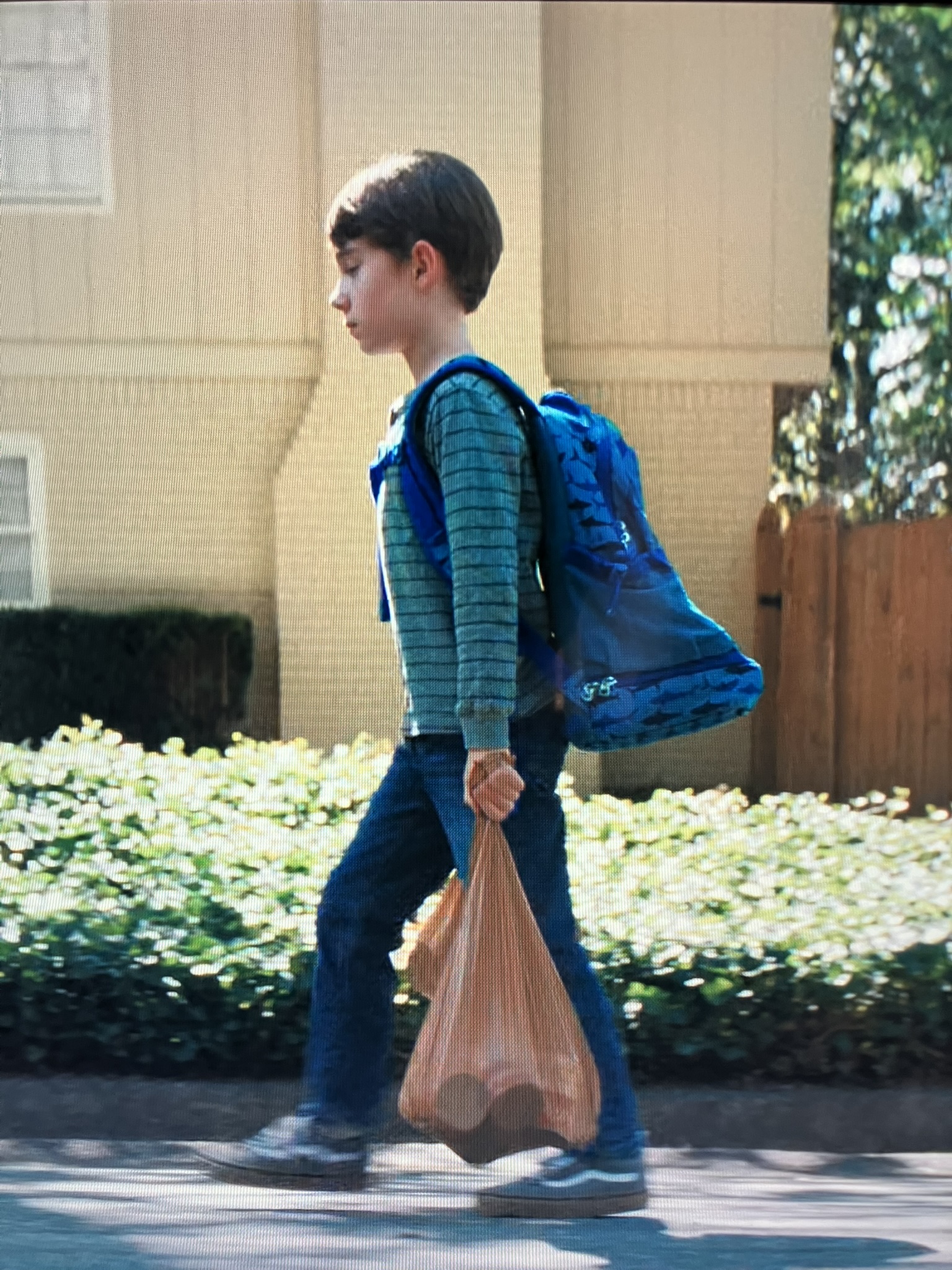
Later on as Alex’s chapter of the film begins we hear Justine speaking to the class about parasites and parasite classifications are seen on the whiteboard behind her – a fairly obvious but not inconsequential moment. Later on in this chapter, subtle but just as important visual cues highlight the predatory nature of Alex. First, it is notable that Alex is constantly seen wearing a shark backpack – an apex predator of the sea. Second, when Alex is brushing his teeth and he steps down from the stool at the sink, the audience sees that Alex’s head is hiding a picture of a lion, another apex predator.

THE NORMALIZATION AND HABITUALIZATION OF ABUSE THROUGH ROUTINE
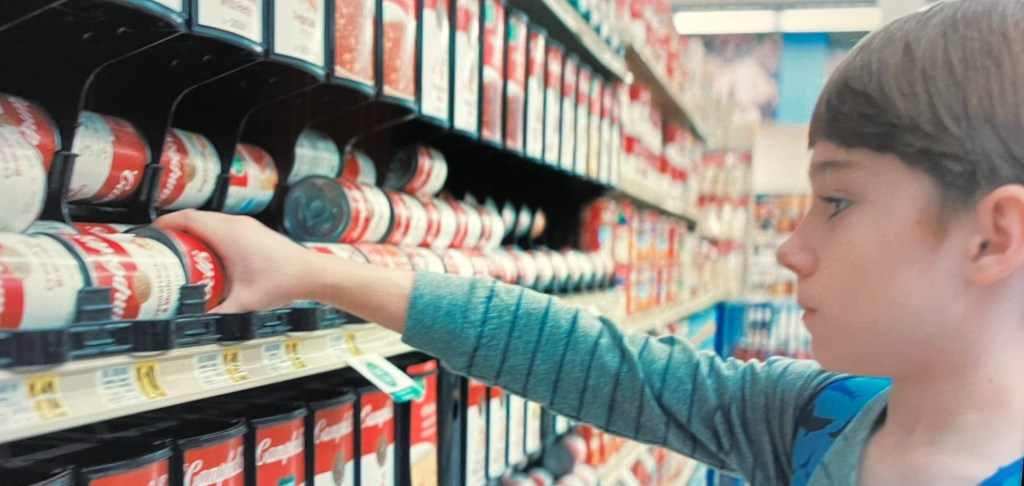
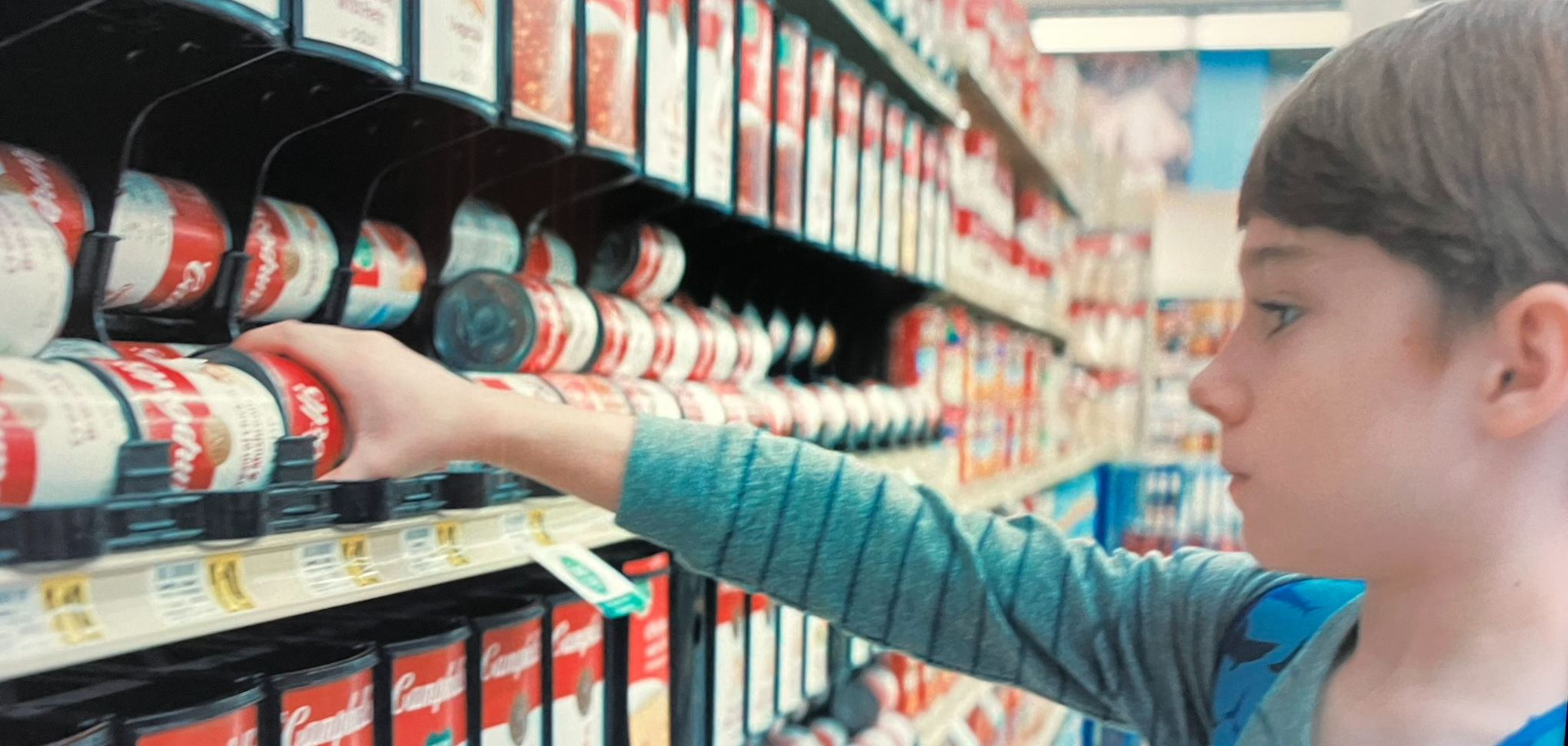
One of the ways that people can survive under the enormous psychological and physical toll of abuse is through normalizing it through routine. As an abuse survivor, I can speak to how we make the abuse “part of our lives”. We come to look at the abuse as a normal, almost natural part of our existence, like brushing teeth. This is seen throughout Alex’s Lily’s cycle of existence post Aunt Glady’s arrival in Maybrook. His existence consists of riding the bus to and from school, attending classes, and going to the store to buy soup, and finally feeding the captured children in his home, all as part of a routine. We need something in our lives to go to, to latch onto, even things we hate, to continue to keep going.
Nowhere is this habitualization of abuse through routine more apparent visually than in the soup cans that he carries to and from the house and then uses to feed his parents and the children. It’s a rigorous, demeaning reminder of his existence. But there is a malignancy in this normalcy, in the routine of the action. As there is with any routine that attempts to normalize abuse, the action becomes a habit, becomes a routine, becomes something that we anchor to as a part of our lives. But it is anything but and accordingly the malignancy of the action begins to manifest in different ways. In the case of the soup, the cans begin to pile up in the kitchen, little by little becoming more and more abnormal. Habits and routines to normalize abuse don’t make things more normal, they only tend to point out the malignancy of the actions in the long run – as the messy kitchen and numerous empty soup cans point toward. The soup cans become a visual metaphor for routine as a way to contextualize a cycle of abuse:


Ultimately, the intricate web of imagery in Zach Cregger’s WEAPONS elevates it beyond a simple horror narrative, transforming it into a nuanced commentary on human nature. Through the subtle yet pervasive visual cues — the “three wise monkeys” illustrating willful ignorance to the predator-prey dynamics of marine life and the unsettling routine of the soup cans — Cregger crafts a world where deeper truths are hidden in plain sight. This storytelling invites viewers to engage on a more profound level, dissecting the psychological undercurrents and moral compromises that define the town of Maybrook beyond just actions and dialogue. The film serves as a chilling reminder that the most insidious evils are those we choose to ignore, normalize, or even participate in, all for the sake of preserving a fragile, manufactured sense of order and normalcy. WEAPONS ensures its place as a film ready for continued analysis, a testament to the power of cinematic detail in unveiling the darkness that can lurk beneath the surface of seemingly ordinary lives.
 No Scoops Club